
Filter
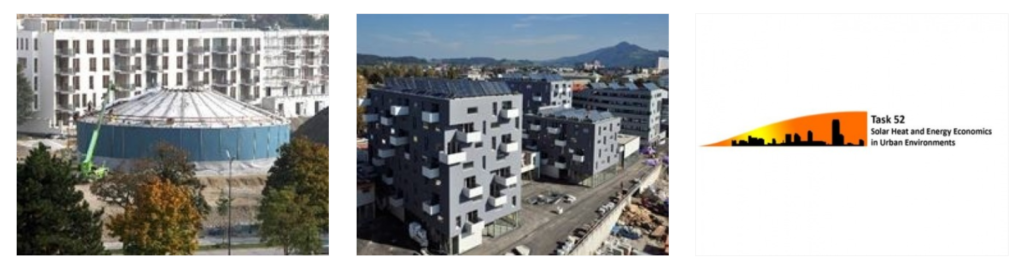
IEA SHC Task 52 – Solar Heat and Energy Economics in Urban Environments
IEA SHC Task 52 focuses on the analysis of the future role of solar thermal heat in integrated urban energy supply systems.
The aim of the task is to provide a holistic decision support for urban energy planners or energy providers and to disseminate the outcomes to other relevant stake holders such as energy policy decision makers.
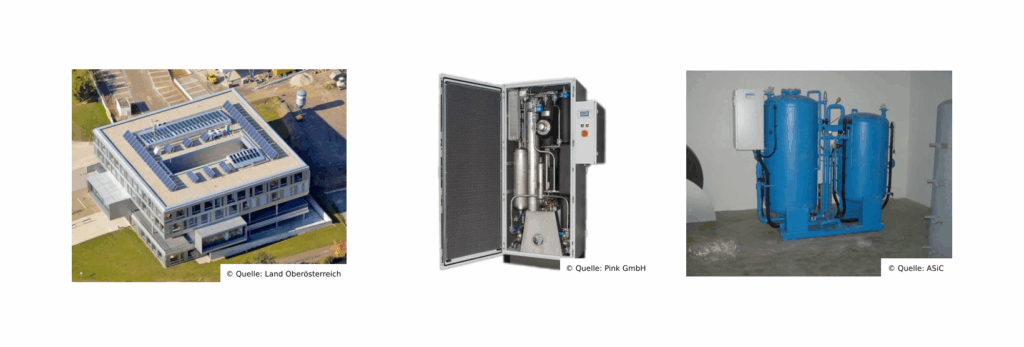
Optimisation of primary energy consumption of solar (thermal) cooling plants by means of efficient technology and innovative control strategies
The R&D Project „Optimisation of primary energy consumption of solar (thermal) cooling plants by means of efficient technology and innovative control strategies“ (SolarCoolingOpt) aimed to find out the optimized configurations and control strategies for solar thermal cooling plants regarding primary energy balance.
Die optimierten Konzepte wurden an bestehenden Beispielanlagen umgesetzt und die Wirksamkeit der gesetzten Maßnahmen durch Monitoring verifiziert.
Für zwei der optimierten Konzepte wurden Lebenszyklusanalysen durchgeführt.
Ein Funktionsmuster für einen kostengünstigen offenen Nasskühlturm wurde entwickelt und getestet.
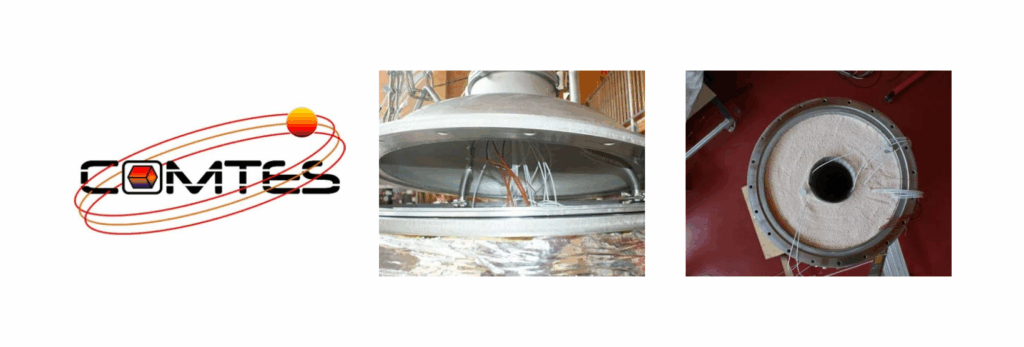
Combined Development of Compact Thermal Energy Storage Technologies
In this project, three different technologies for the compact seasonal storage of solar heat are being developed. Systems of these technologies are designed, built and tested in the laboratory or in the field.
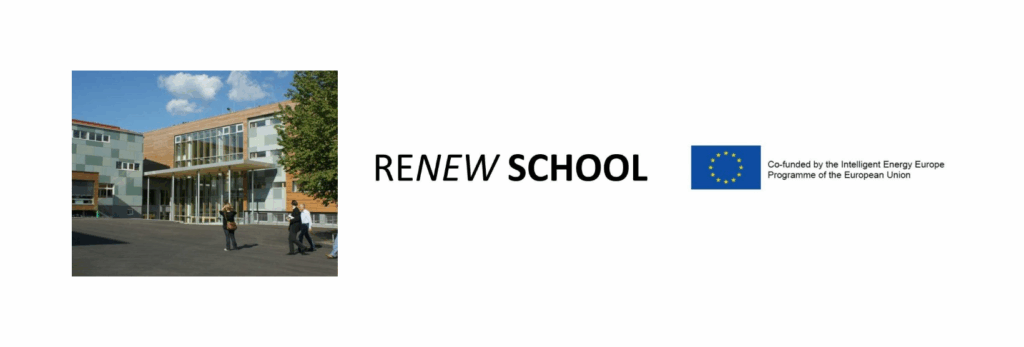
RENEW SCHOOL
The RENEW SCHOOL project aims at transferring know-how and promoting prefabricated timber modules, ventilation, shading and renewable energy-systems to be logical solutions of school renovations. This will be done by networking, exchange and training activities between research, economy, school owners and financiers.
METHODIQA – Development of a quality assurance methodology for Renewable Heat Systems by means of intelligent operational monitoring
The focus of this project is on quality assurance for heat supply systems that combine renewable and non-renewable energy sources. Main objective is the elaboration of the scientific and technical basis for a diagnostics system that aims at cost-effective but high-quality, computer-aided surveillance of system operation of heat supply systems. METHODIQA combines two important renewable heat technologies (solar thermal and biomass); both renewable-only solutions as well as popular combinations of renewable and non-renewable technologies are investigated. Several stakeholders are showing interest in the current project: funding bodies, plant operators and property developers (involved by means of service contracts), and last but not least also the Austrian industry organizations of the two involved renewable heat technologies who agree to co-finance the project.

Ship Malaysia – Solar Heat and Energy Efficiency for Industrial Processes in Malaysia
The Global Environment Facility and the United Nations Industrial Development implements a project dealing with energy efficiency and solar process heat in Malaysia. There have been done several studies beforehand to investigate the technical potential, contact industries and organise trainings.
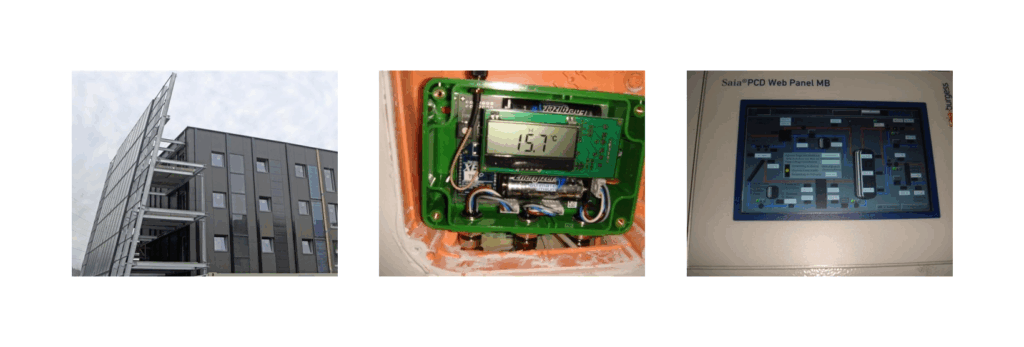
e80^3-Building – SP 5 Monitoring und Dissamination
Renovation Concepts for Residential Buildings to Plus-Energy Buildings with Prefabricated Active Roof-and Façade Modules, Integrated Building Services and Grid Integration: SP5 monitoring and dissemination
GREENFOODS
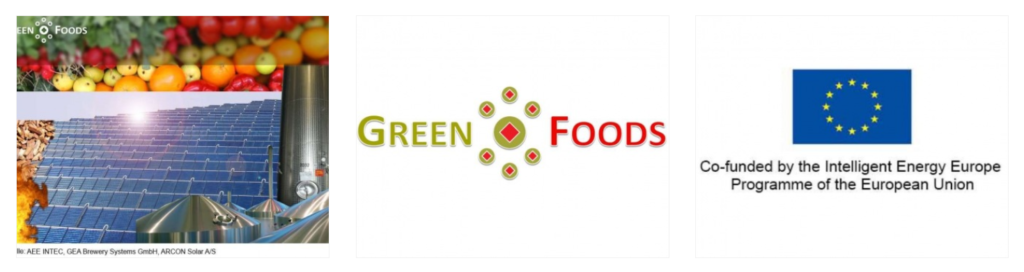
The overall objective of the GREENFOODS project is to lead the European food and beverage industry to high energy efficiency and reduction of fossil CO2 emissions in order to ensure and foster the world wide competitiveness, improve the security of energy supply and guarantee the sustainable production in Europe.
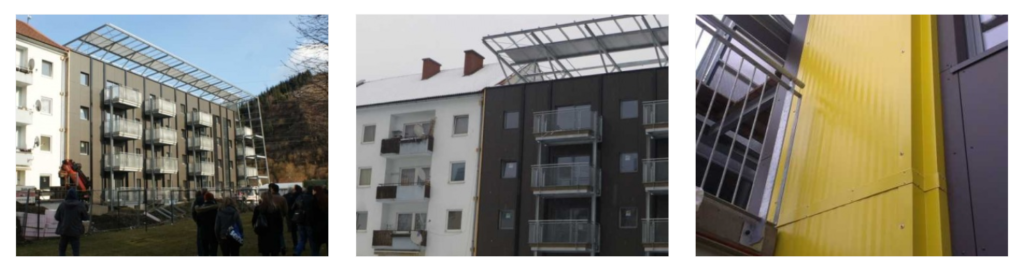
e80^3-Building – SP4 Demonstration Project
The main objective of the project is the realization of the previous developments of
the active and passive façade modules and the modules for the building services on a demonstration building in Kapfenberg, Styria.

SOLTRAIN 2 – Southern African Solar Thermal Training and Demonstration Initiative
In the project SOLTRAIN 2 support is provided for partner countries in Southern Africa to migrate energy supply based on fossil resources to energy supply based on sustainable resources in general and solar thermal in particular.