
HEATbucket – Underground Heat Storage for Improving the CO2 Balance and Decentralizing the Heat Supply in Urban Areas
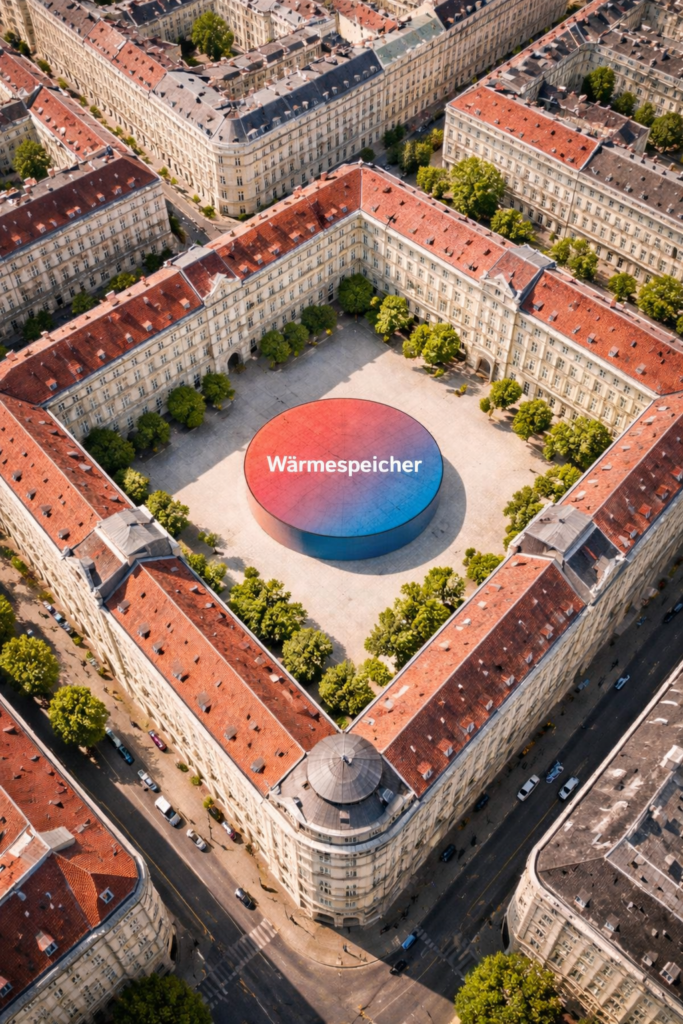
The global energy transition, driven by the temporal decoupling of production and demand from wind and solar power, creates a growing need for storage capacity and intensifies challenges for power grids. To complement short-term battery storage, the HEATbucket project is researching an efficient and complementary solution for urban areas: the storage of energy in the […]
Soltrain Buthan – Enhancing Solar Water Heating
in Bhutan
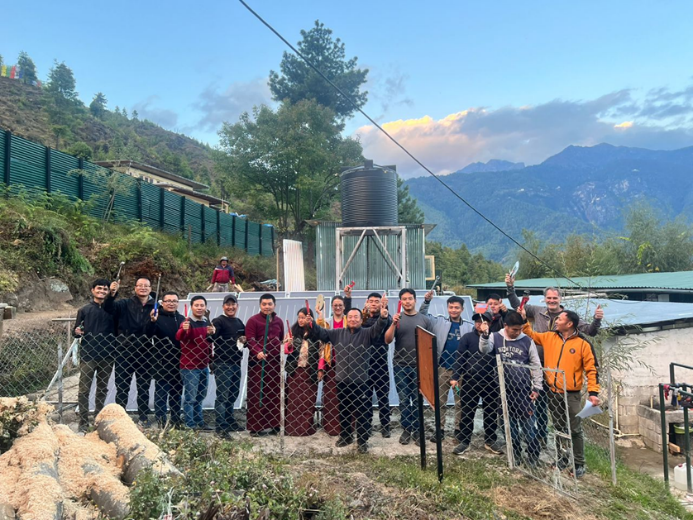
The Bhutan Department of Energy (DoE), supported by the Austrian Development Agency, is actively promoting Solar Water Heating Systems (SWHS) in the building sector. In an initial phase of implementation, following the installation of SWHS, encountered issues affecting system design and functionality. To address these challenges, the DoE engaged AEE-INTEC to provide intensive training and […]
CoSpatial Heat – Integrated heat and gas supply planning for the Gleisdorf region
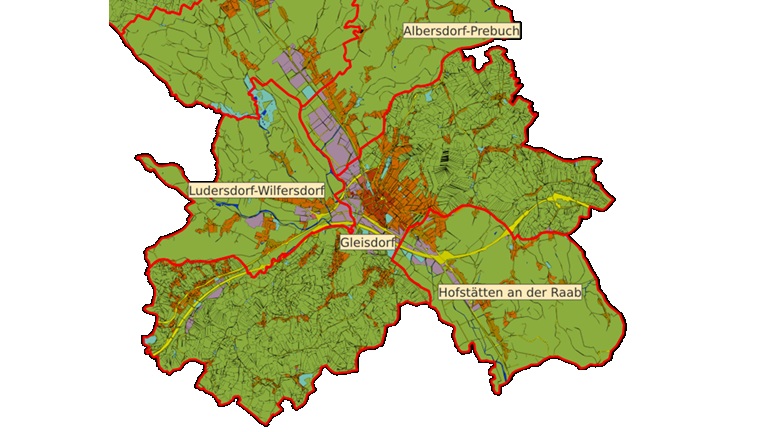
The CoSpatial Heat project develops an integrated and spatially differentiated heat and gas supply planning concept for the pioneering city of Gleisdorf and its surrounding region. The aim is to provide robust decision-making foundations for transforming the regional energy system towards climate neutrality by 2030 and 2040 while strategically integrating the existing gas infrastructure into […]
Alliance for Green Heating and Cooling – Innovation Lab for the Transition of the Heating and Cooling Sector

The Alliance for Green Heating and Cooling is a national innovation lab dedicated to the sustainable transformation of Austria’s heating and cooling sector. It is jointly led by Green Energy Lab and AEE INTEC with the scientific lead assigned to AEE INTEC. It is an initiative of the Climate and Energy Fund, funded by the […]
SolarOpt – Digital innovation for high-performance utility-scale solar thermal projects
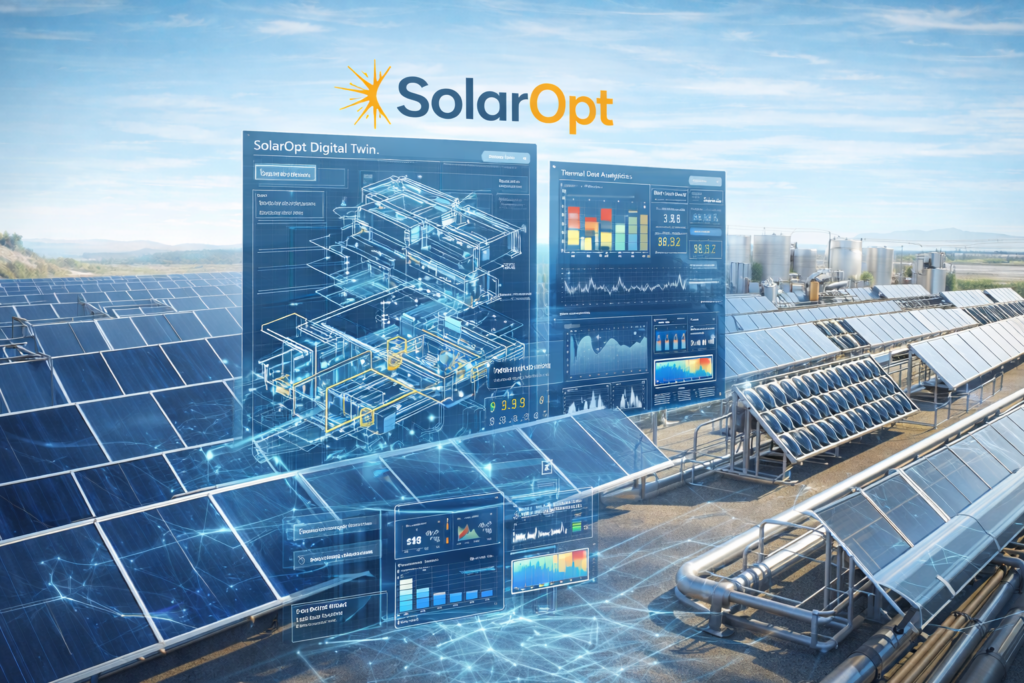
Large solar thermal plants can play a key role in climate-neutral heat supply for district heating and industry. However, operation is often limited by a lack of reliable, standardised and investor-trusted tools for performance assessment, diagnostics, forecasting and optimisation. This leads to higher O&M effort, avoidable yield losses, more difficult integration into hybrid energy systems […]
SOPHIE – Spektrum-optimierte Photochemie zur Erweiterung von PVT bzw. PV-PEC Systemen für intelligente Energieproduktion

The demand for green hydrogen, which is currently less than 1 Mt/a, is expected to rise to up to 400 Mt/a by2050 (IEA Net Zero Scenario). To meet this demand for green fuels and, in the future, chemicals, widelyavailable raw materials are required. The direct use of sunlight in photochemical processes to producehydrogen, fuels, and […]
GEO.MAT – Efficiency increase of geothermal energy systems with heat pumps
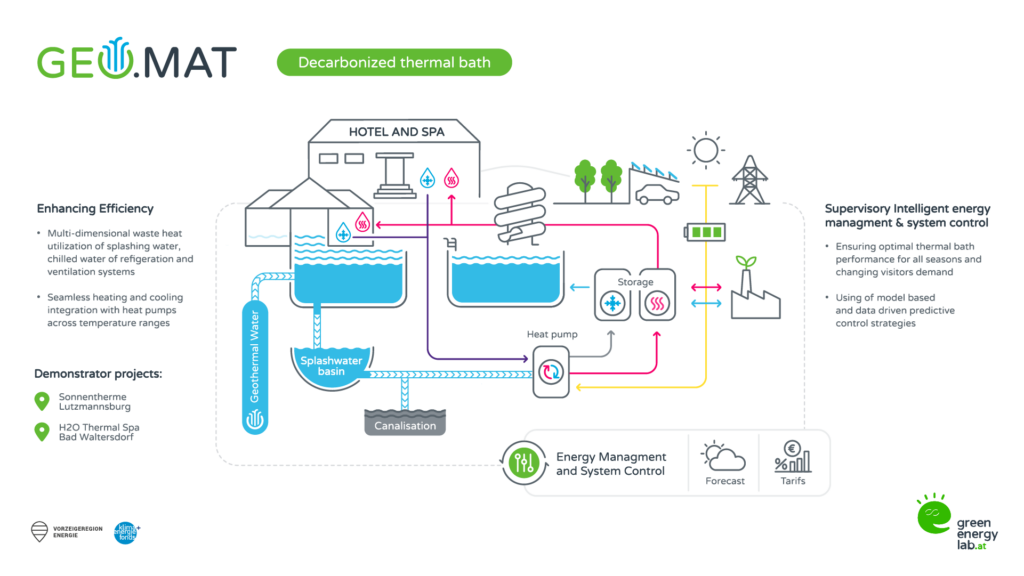
Austrian thermal spas are energy‑intensive facilities: 60–70% of their heat demand is used to keep pool water warm. At the same time, geothermal thermal water is often discharged as splashing water at about 30°C without using its remaining energy. GEO.MAT targets this untapped potential and develops practical pathways for decarbonising thermal spas. The project plans, […]
CarbonZero4IMS – Energiewende im Quartier – CO2-freie Versorgung durch NutzerInnen-Integration und sektorenübergreifende Optimierung

The Inge Morath settlement in Graz comprises 108 residential units and 51 individual buildings (built between 2001 and 2009), spread over five homeowners’ associations (HOAs). Currently, 108 residential units in three HOAs are centrally supplied with room heat via three gas boiler heating centers. The heat is distributed as a low-temperature system via underfloor heating, […]
MARGRET Bioshade – Quantification of Shading and Cooling Performance Provided by Building-Integrated Greening

MARGRET Bioshade focuses on the scientifically robust quantification of the effects of building-integrated greening systems as a measure for climate change adaptation. Green roofs and façades can reduce urban heat island effects, positively influence the urban water balance, and decrease heat gains in buildings and the surrounding urban environment. Despite their growing relevance, reliable and […]
SaCANGO – Satellite based Canopy and Green Observation System

Urban green spaces and tree canopy cover are key elements of climate-resilient cities. With the EU Nature Restoration Regulation, cities and municipalities are for the first time required to monitor urban green spaces and tree canopy cover on a regular, comprehensive and standardised basis, including private areas. Existing survey methods, such as tree inventories, are […]