
EcoChel – Sustainable Production of Biodegradable Chelating Agents
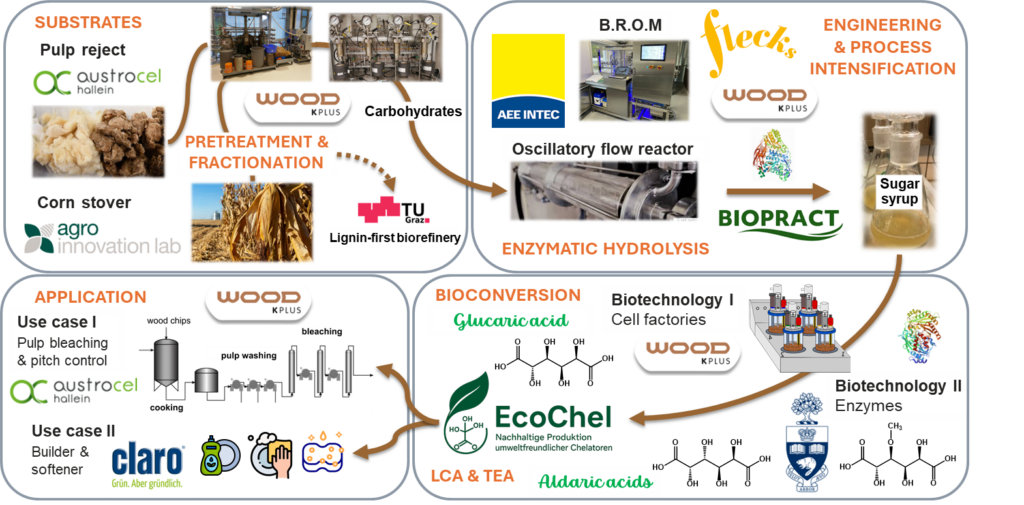
EcoChel is developing an efficient, automated process for producing bio-based and biodegradable chelators from industrial and agricultural residues. Chelators are complexing agents that bind metal ions and are used, for example, as stabilizers in bleaching baths in the textile and pulp industries or as performance enhancers in cleaning agents for hard water. The project focuses […]
DUO-TES – Double utilization of above- and underground sprinkler basins as the
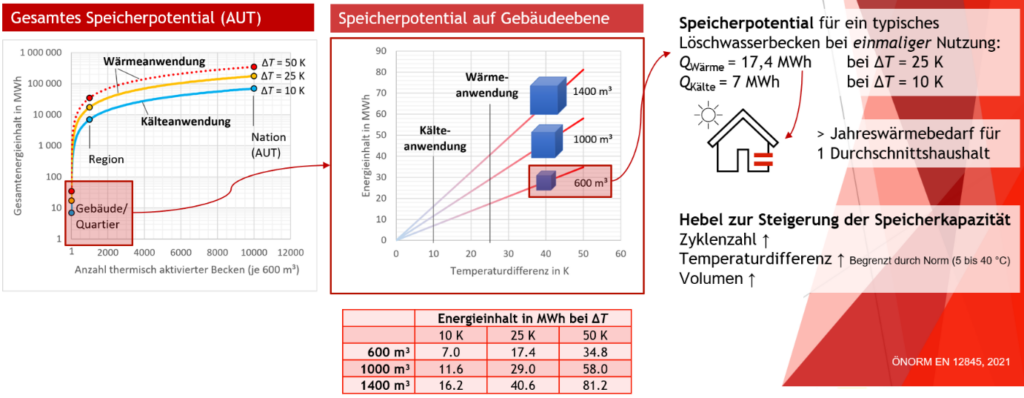
To successfully decarbonize the heating sector and integrate renewable energies, efficient thermal storage solutions are essential. However, constructing new storage facilities often entails high investment costs, land consumption, and CO₂ emissions associated with new building materials. The DUO-TES project pursues an innovative, resource-efficient approach: the thermal dual use of existing fire protection and sprinkler infrastructure. […]
DigiSolar – Digital tools for optimised planning, maintenance and operation of solar thermal systems
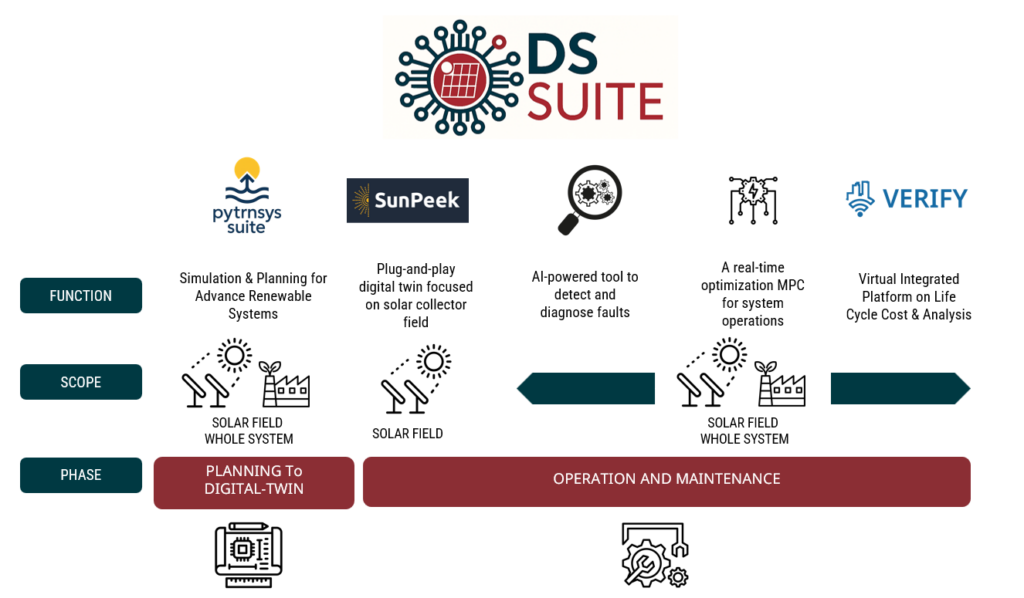
DigiSolar is accelerating the clean energy transition by seamlessly integrating large-scale solar thermal systems with other renewable energy sources. This transformative approach drives industrial decarbonization, electrification, and crucial energy flexibility for district heating networks and industrial process heat. At the core of this initiative is the DS Suite: a digital platform engineered to optimize every […]
GBV-DEKA – A sector-wide solution for the strategic decarbonization of non-profit housing stock through portfolio management
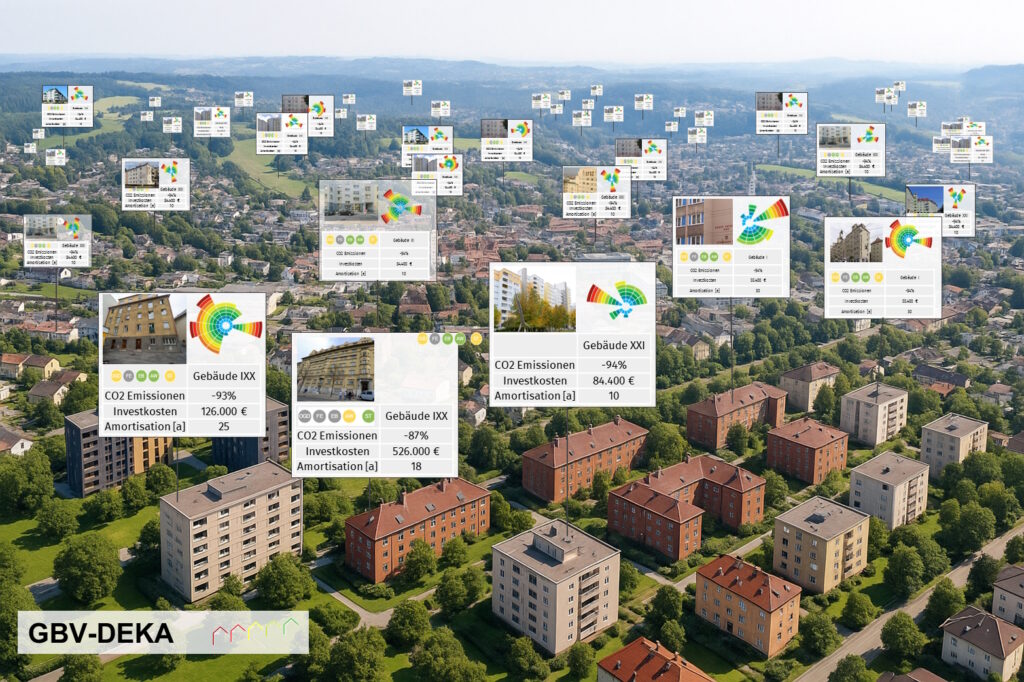
The GBV-DEKA research project develops a standardized portfolio management method for the strategic decarbonization of large non-profit housing stocks. The aim is to support non-profit housing providers in planning energy-related renovations in a long-term, socially responsible and economically viable way. A key element is the harmonization and quality assurance of existing building data. For this […]
TopHeAT-HU – Data-based assessment and reduction of heat stress in municipalities
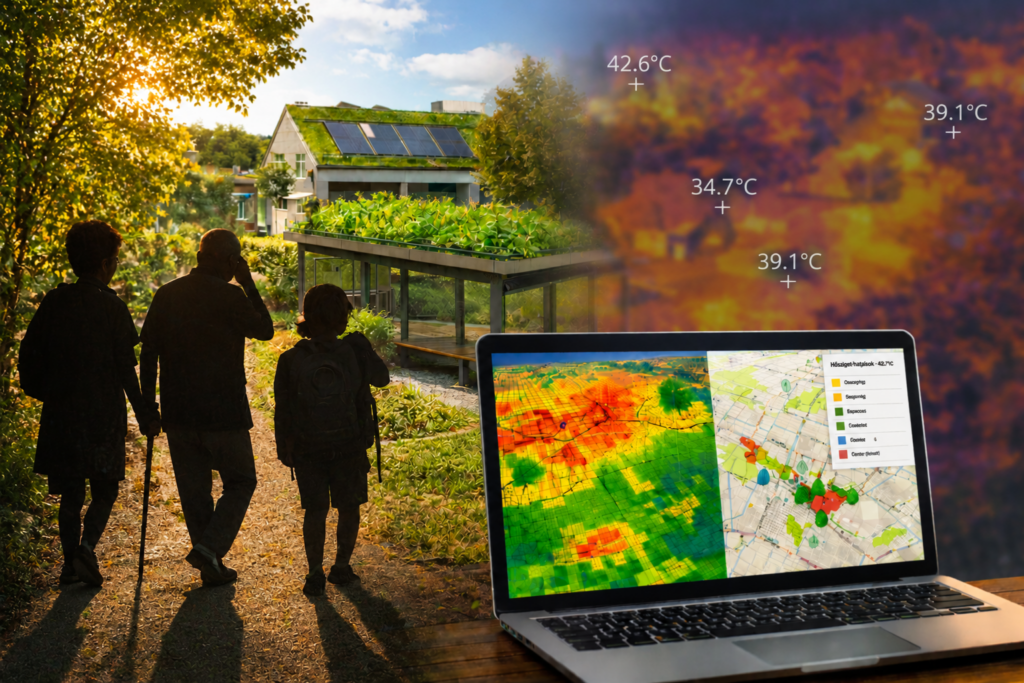
The cross-border Interreg project TopHeAT-HU supports towns and municipalities in the Austrian-Hungarian border region in preparing for increasing heatwaves and rising heat stress in settlement areas. Smaller municipalities in particular often have limited financial and technical resources to implement effective adaptation measures on their own. The project therefore provides practical tools, knowledge transfer and concrete […]
IK-EnErGie-Knoten: Interkommunaler Strom- und Wärmenetzverbund St.Ruprecht-Weiz-Gleisdorf
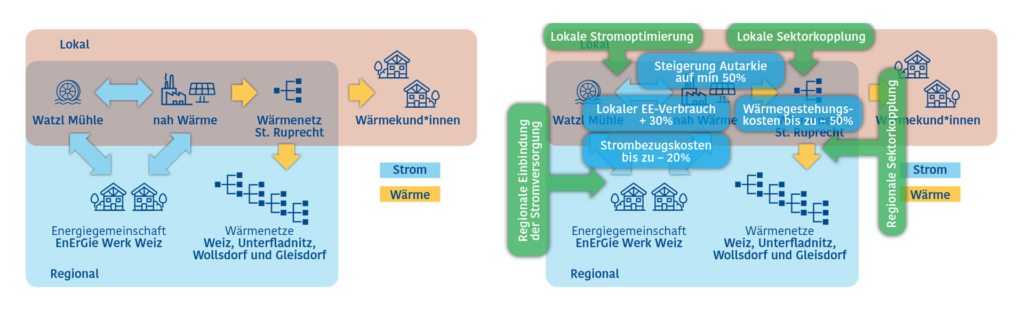
The energy transition requires more than the expansion of renewable technologies – it calls for systemic solutions that bring together electricity, heat, infrastructure and new cooperation models. With the project IK-EnErGie-Knoten, a prototypical supply system for the climate-neutral city of the future is being developed and demonstrated in the eastern Styrian economic region around St. […]
ScaleUp – Large-Scale Underground Tank Thermal Energy Storage as a Key Technology for Sustainable District Heating Systems
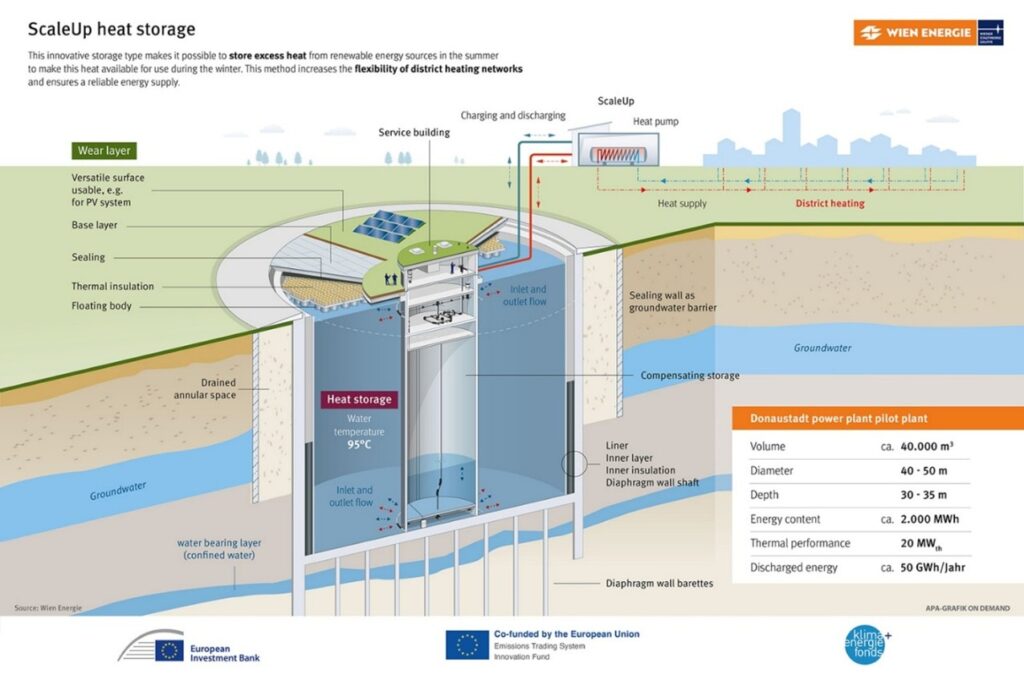
The main goal of the ScaleUp project is the decarbonization of district heating systems. In addition, ScaleUp aims to increase the acceptance of such innovative structures by addressing specific ecological and social aspects of the site. In the long term, the project seeks a storage volume in the range of millions of cubic meters. Furthermore, […]
KIDIWIE – AI-supported Data Innovation and Digital Twins for Spatial Energy Planning
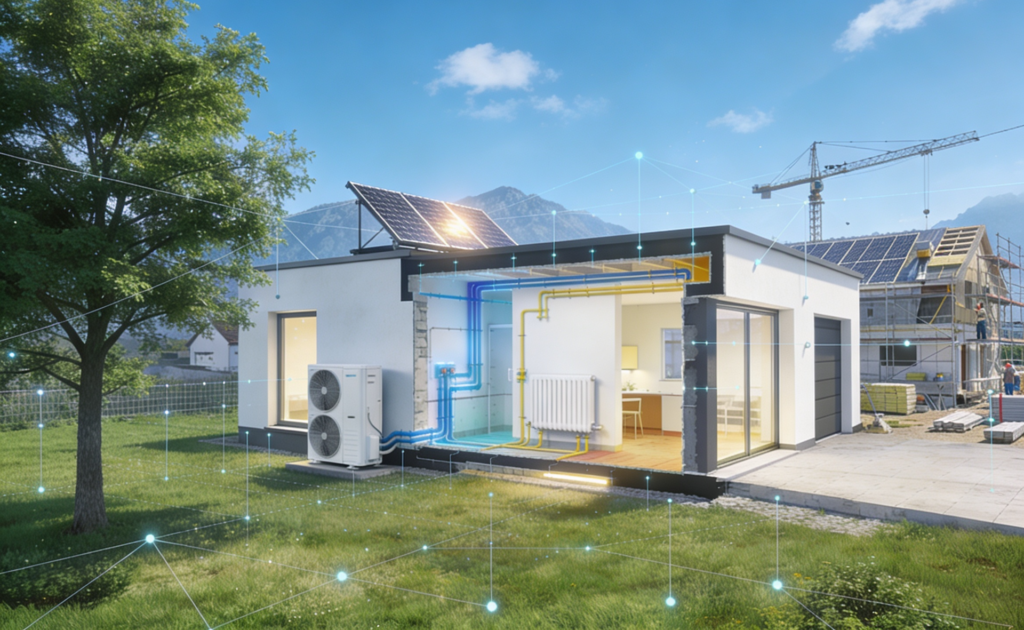
A successful energy transition requires accelerated innovation to support Austria’s path towards climate neutrality by 2040. Efficient and targeted use of renewable energy, as well as a holistic understanding of urban and regional energy systems, requires innovative approaches for the high-quality spatial representation of heat demand structures. Scalable solutions that can be applied nationwide are […]
DHFuture4MZ – Exploring the feasibility of a flexible and affordable heating transition in Mürzzuschlag
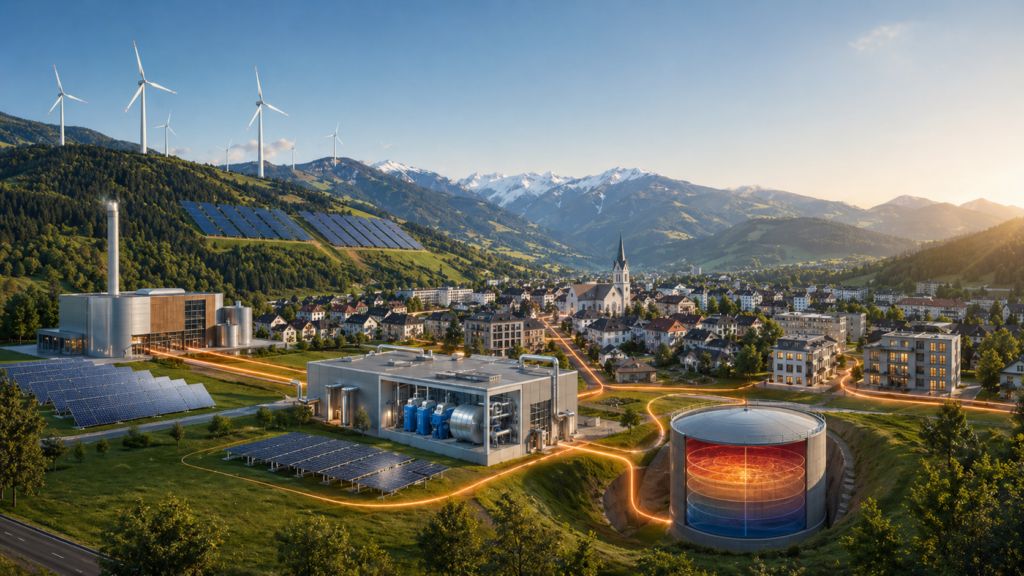
The project DHFuture4MZ investigates how district heating supply in Mürzzuschlag can be further aligned with local renewable energy sources, made more flexible, and kept affordable in the long term. The starting point is the region’s high potential for wind power, photovoltaics, and solar thermal energy. At the same time, limited electricity grid infrastructure can lead […]
Municipal Heat Planning and Building Renovation Roadmap for Gleisdorf
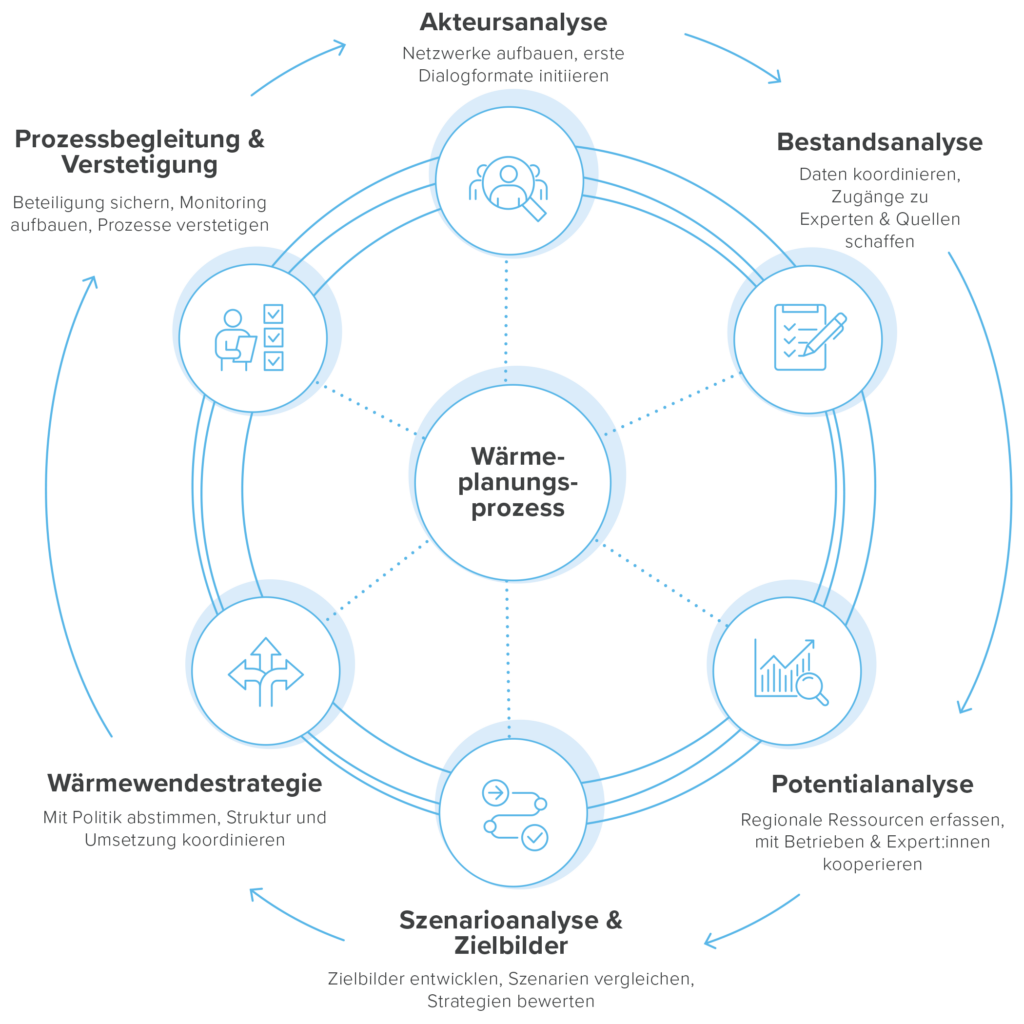
The project aims to develop an integrated municipal heat plan and a detailed renovation roadmap for public buildings for Gleisdorf. By improving and harmonising energy-relevant building data, the project establishes a robust spatial data basis for strategic heat planning. The municipal heat plan includes a comprehensive assessment of the building stock, existing heat infrastructure and […]