
Solar Campaign 2012 for Styrian Municipalities
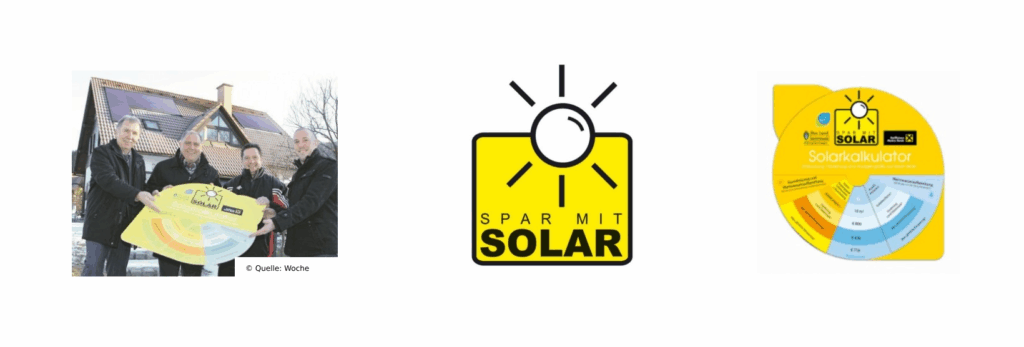
A information brochure on the topic is available (in German). Solaranlagen zur Warmwasserbereitung mit einer Mindestfläche von 6 m² Aperturfläche werden vom Land Steiermark mit € 50,- pro m² unterstützt, bzw. mit € 60,- pro m² Kollektorfläche bei Raumheizungsanlagen ab 16 m². Zusätzlich gibt es einen Sockelbetrag von € 300,- bzw. für Raumheizungsanlagen ab 16 […]
Green Brewery – Zero fossil CO2 emissions for breweries
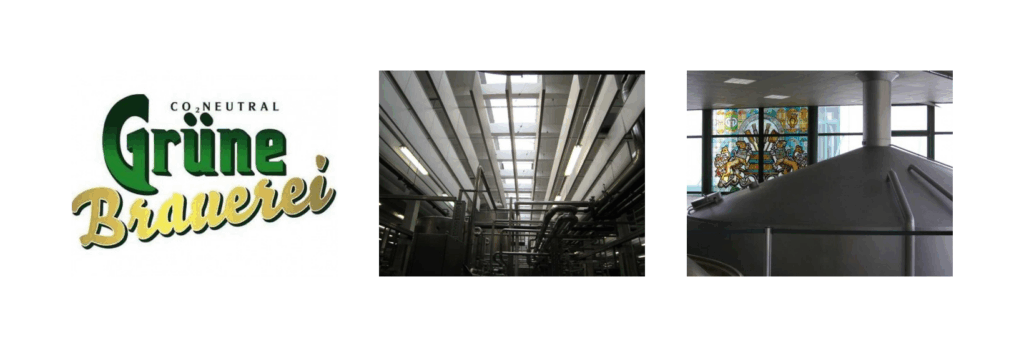
Innovative energy concepts depending on the production capacity, the site and the products have been developed in case studies and possibilities of production without fossil fuels have been demonstrated applying energy efficiency, heat integration and a combination of renewable energy sources. Beside concepts for three breweries (Göss, Puntigam, Schladming) a “concept for Green Breweries” was […]
+ERS – Plus Energy Network Reininghaus Süd
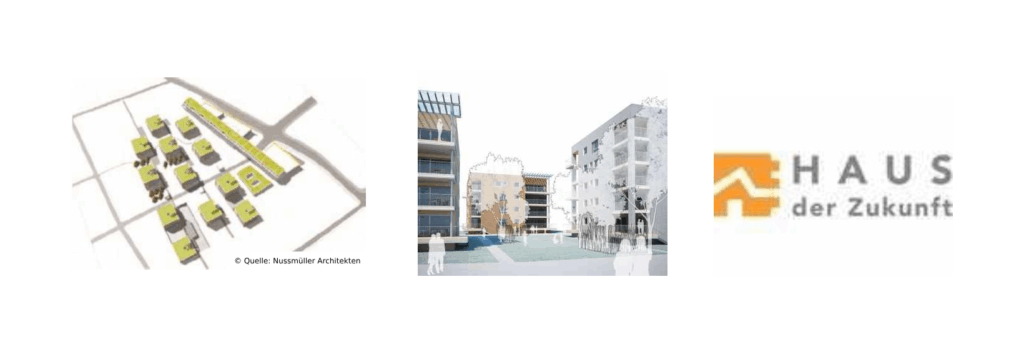
Starting point / motivation Until now plus-energy houses were frontrunners: very often single family houses or buildings in sparsely populated areas. But due to the ongoing urban sprawl new solutions have to be developed. The focus should be set using the infrastructure options of urban areas in a better way: Supply networks, effluent disposal, public […]
PROMISE DEMO IF
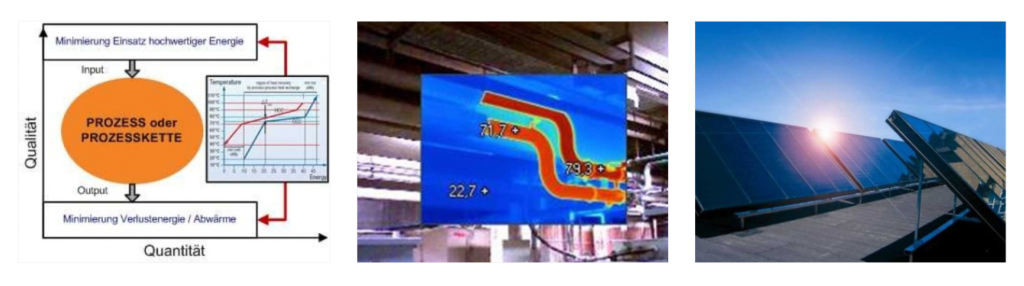
The project PROMISE DEMO – IF and its „partner-project“ PROMISE DEMO are based on the preliminary project PROMISE APPLICATION. In the framework of PROMISE APPLICATION, several industry case studies with focus on energy efficiency and integration of renewable energies were conducted in the sectors of surface treatment of metals. For one of the participating companies, […]
Solar thermal sector concept for the food industry – Solar Foods

Starting point: The food industry uses large amounts of thermal energy in the temperature range 30° C to 150° C. It is possible to provide these temperatures with carbon-neutral solar thermal systems. The aim of this study was to create implementation-concepts for the integration of solar heat in the food industry sub-sectors in close cooperation […]
SOCO
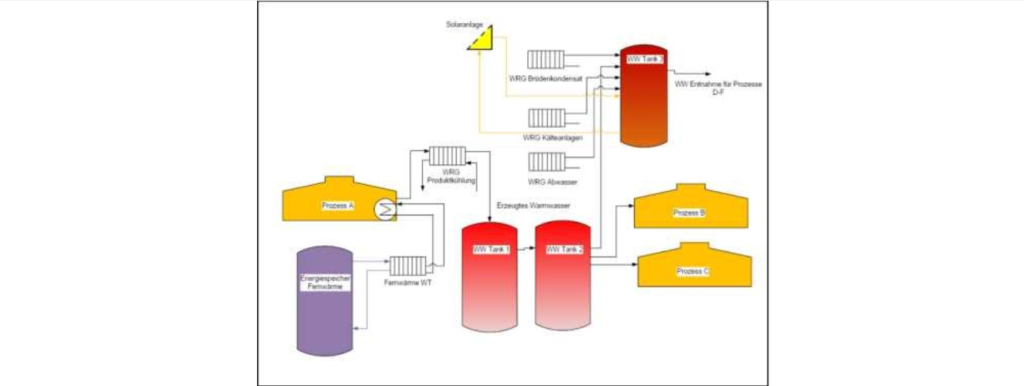
Starting point: For the implementation of existing optimisation potentials in industry, commerce and district heating, it is important to expedite the reduction of energy demand as well as to integrate renewable energy technologies. For solving these two problems, complex optimisation principles are needed, due to the fact that heat demand and heat availability vary in […]
Solar and Heat Pump Systems

Up to now, such systems haven’t been systematically reviewed regarding the application possibilitie, climatic and constructional boundary conditions, different configuration possibilities, optimal control strategies etc. In the light of rising number of systems offered, but also a significant demand form the market, the need for a competent and independent analysis of these issues is obvious. […]
High efficient combination of solar thermal and heat pump systems
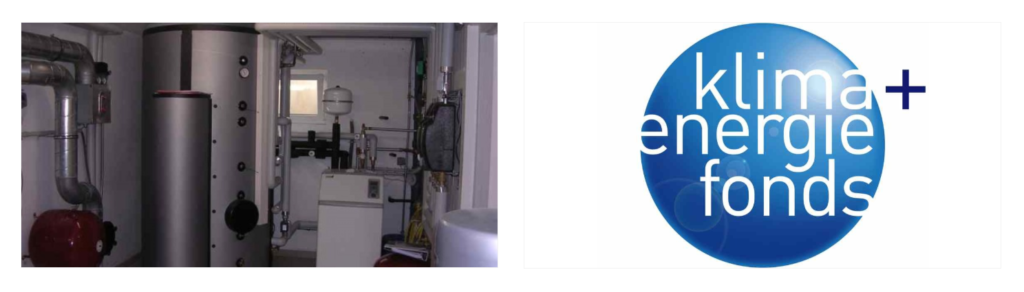
Systems for space heating and domestic hot water preparation based on the combination of solar collectors and heat pumps are currently more and more in demand and are already provided by several manufacturers. However, the integration of a heat pump into a solar combisystem is more complex than with other auxiliary systems, as also the […]
Using the Heating Recovery Potential and Solar Thermal Energy for 100 % Solar Buildings
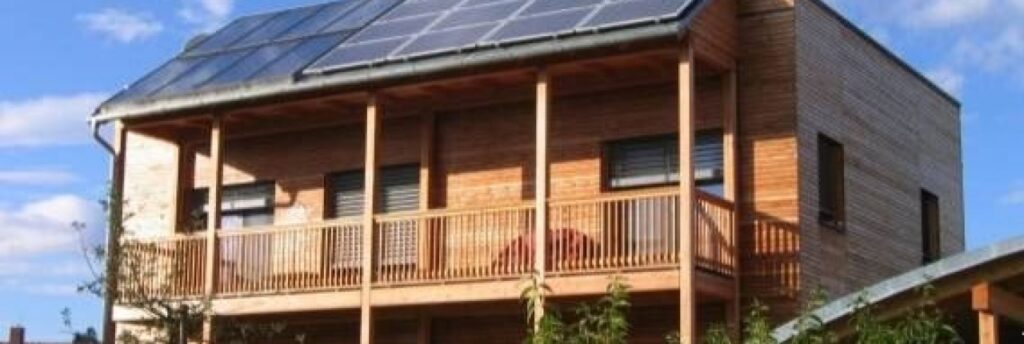
High solar fractions can be reached currently only with large solar areas and large storage capacities connected with high investment cost. Together with the Institute for Thermal Engineering of the Technical University Graz, AEE INTEC examined the application of small heat pumps and the potential of waste-water heat recovery to reduce collector areas and storage […]
klimaaktiv Gebäude

The klimaaktiv Buildings Program The klimaaktiv Buildings Program has been setting standards for energy-efficient, sustainable, and future-oriented construction in Austria for two decades. The foundation for this is the klimaaktiv Building Standard, combined with clear recommendations and guidelines for decarbonizing the heating sector. klimaaktiv Buildings has become a key framework for the construction and real […]